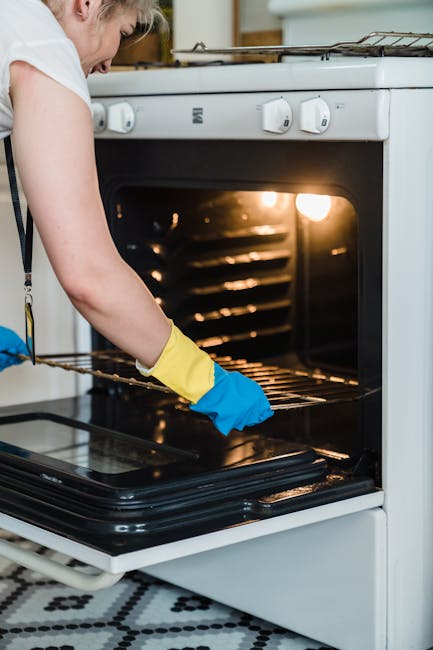
Heath Street oven cleaning experts Hampstead NW3: a practical guide for cleaner, safer kitchens
If you live near Heath Street, you already know Hampstead kitchens can be compact, busy, and very much used. One roast dinner, one late-night pizza, a few weeks of everyday cooking, and suddenly the oven starts looking tired. A bit of grease on the glass, a stubborn tray rack, that faint burnt smell when it heats up again. It happens quietly, then all at once.
This guide explains what Heath Street oven cleaning experts Hampstead NW3 actually do, why it matters, and how to choose a service that feels worth it. You will also find practical steps, common mistakes to avoid, and a realistic look at what professional oven cleaning can and cannot fix. If you are comparing options or simply trying to decide whether it is time, you are in the right place.
For readers exploring the local area as well as the home-care side of life, there is also a useful local read on what Hampstead offers as a place to live and settle into, which sits nicely beside the everyday realities of keeping a home in good shape.
Table of Contents
- Why Heath Street oven cleaning experts Hampstead NW3 Matters
- How Heath Street oven cleaning experts Hampstead NW3 Works
- Key Benefits and Practical Advantages
- Who This Is For and When It Makes Sense
- Step-by-Step Guidance
- Expert Tips for Better Results
- Common Mistakes to Avoid
- Tools, Resources and Recommendations
- Law, Compliance, Standards, or Best Practice
- Options, Methods, or Comparison Table
- Case Study or Real-World Example
- Practical Checklist
- Conclusion
- Frequently Asked Questions
Why Heath Street oven cleaning experts Hampstead NW3 Matters
Oven cleaning is one of those jobs people postpone because, truth be told, it does not feel urgent until it really does. Yet a dirty oven affects more than appearance. Built-up grease can create smoke, odours, uneven heating, and in some cases more wear on parts such as fan covers, seals, and trays. In a busy household, that can turn a simple dinner into a slightly annoying kitchen drama.
Local expertise matters because homes around Heath Street and the wider NW3 area are not all the same. Some have modern built-in appliances, some have older ranges, and some have ovens that have been kept going through years of careful use. A skilled cleaner understands that a one-size-fits-all approach is rarely the smart option. Delicate glass, enamel, stainless steel, self-cleaning linings, and extractor-adjacent grime all need different handling.
There is also the day-to-day practicality. If you have guests coming, are preparing to move out, or simply want the kitchen to feel fresher, a deep oven clean can make a visible difference in a single visit. And yes, the smell test matters. Many people notice it first when the oven heats up and the room gets that faint burnt odour. Not ideal at all.
For local readers who like understanding their neighbourhood in a broader way, the Hampstead blog archive can be useful context. Articles such as this Hampstead lifestyle piece help show why people put effort into keeping homes here pleasant, functional, and ready for real life rather than showroom perfection.
How Heath Street oven cleaning experts Hampstead NW3 Works
Professional oven cleaning is usually a careful, methodical process rather than a quick wipe-down. The exact method depends on the appliance, but the flow is broadly similar. First, the cleaner inspects the oven, checks the type of build-up, and identifies removable parts. Then shelves, racks, trays, and panels are taken out where possible and treated separately. That matters because baked-on grease often hides in places people cannot properly reach with household products.
The cleaning stage typically involves professional degreasers, soaking solutions, hand tools, and non-scratch scrapers or pads. The aim is to remove carbonised residue without damaging coatings or seals. A proper cleaner will usually work carefully around heating elements, fan covers, door glass, hinges, and side panels. It is not glamorous work. It is detailed work.
After the grime is loosened and lifted, the parts are rinsed, dried, and reassembled. The final result should be an oven that looks cleaner, heats more cleanly, and no longer has that sticky residue smell when switched on. In many cases, the change is dramatic. People often open the door and have that little pause. Really, was it this dirty?
Good oven cleaners also manage expectations. They will not promise to reverse every stain or restore every mark on an older appliance, because some heat discolouration is permanent. That kind of honesty is a good sign. A trustworthy service is careful with what it can improve and clear about what is simply part of the oven's age.
Key Benefits and Practical Advantages
There are several reasons people book a professional oven clean, and most of them are practical rather than indulgent.
- Better hygiene: Old grease, carbon, and food debris are removed from the surfaces that come into contact with heat and cooking fumes.
- Cleaner cooking performance: A cleaner oven can reduce smoke and help food smell and taste as it should, without burnt residue interfering.
- Less unpleasant odour: Many people notice the difference as soon as the oven is turned on.
- Improved appearance: Shiny shelves, clearer glass, and cleaner seals make the whole kitchen feel looked after.
- Time saved: A deep clean can take hours if you attempt it alone, and that is before you get to the awkward corners.
- Longer appliance life: Regular maintenance may help reduce grime-related strain and make it easier to spot wear early.
One overlooked benefit is confidence. If you cook often, especially with roasting, baking, or high-heat dishes, a well-cleaned oven makes the entire kitchen feel calmer. You are less likely to avoid using it because it looks too bad to face. That is a small thing, maybe, but a real one.
For some households, the difference is also practical during move-in or move-out periods. Clean appliances tend to make a property feel more cared for, which can matter whether you are settling in for the long term or simply trying to leave things neat for the next person.
Who This Is For and When It Makes Sense
This service suits more people than you might think. It is not just for "very dirty" ovens, although that is obviously a common trigger. In practice, Heath Street oven cleaning experts Hampstead NW3 are useful for anyone who wants a proper reset for an appliance that gets heavy use.
You may want to book if you are:
- moving into a new home and want the kitchen genuinely fresh
- moving out and need the oven brought back to a presentable standard
- hosting family, friends, or a special meal and do not want smoke or smells
- noticing visible grease, discolouration, or sticky residue
- smelling burnt food even when the oven is empty
- struggling to remove grime from glass, racks, or fan covers
- keeping a rental or managed property in better condition between tenancies
It also makes sense for people who simply do not want to spend a Saturday with rubber gloves, a sponge, and a half-empty bottle of cleaner that somehow smells worse than the oven. To be fair, there are better ways to spend the weekend.
If you use your oven heavily, every few months may be sensible. If you use it less often, perhaps a seasonal clean is enough. There is no magic timetable. The right moment is usually when the build-up begins to affect hygiene, smell, or day-to-day use.
Step-by-Step Guidance
If you are thinking through the process before booking, here is a straightforward way to understand how a professional clean typically unfolds.
- Initial assessment: The oven is checked for type, condition, and problem areas such as burnt-on spills, grease on glass, or damaged seals.
- Preparation: Removable items such as racks, trays, and shelves are taken out and separated from the main unit.
- Soaking: Those parts are often placed in a heated dip tank or treated with specialist solutions to break down heavy residue.
- Manual cleaning: The interior, door, and visible surfaces are scrubbed and wiped using methods suited to the oven's material.
- Detail work: Hard-to-reach corners, hinges, fan areas, and glass edges are cleaned carefully.
- Rinse and dry: The appliance is wiped down, residue removed, and parts dried before refitting.
- Final inspection: The cleaner checks for missed spots and ensures the oven is left usable and tidy.
A good service does not rush the details. The little things matter. A clean seal, a clear pane of glass, a rack that no longer feels tacky - those are the bits you notice later, when you are cooking at 7pm and the oven behaves like it should.
If you are doing any light maintenance yourself between professional visits, let the appliance cool completely first. That sounds obvious, but people do forget. Nobody wants to test patience or fingertips on a warm oven shelf.
Expert Tips for Better Results
A few sensible habits can keep your oven cleaner for longer and help any professional service go further.
Use the oven liner or tray properly
Drips and spills are much easier to manage when they land in the right place. Just avoid blocking vents or crowding airflow, because that can create uneven results.
Wipe fresh spills sooner rather than later
Once grease has baked on several times, it becomes much harder to shift. A quick wipe after cooling can save a lot of effort later.
Do not spray cleaner into sensitive parts
Avoid soaking fan openings, electrical components, and seals unless the product instructions specifically allow it. Oven cleaning is partly about restraint.
Check the door glass from the inside too
People often clean the outside and forget the inner pane. That inner film can be one of the main reasons an oven still looks dull after a basic clean.
Ask how parts are cleaned
Professional standards vary. Some cleaners use dip tanks, some use hand-cleaning systems, and some combine methods. Ask what is suitable for your appliance rather than assuming all ovens are treated the same.
Expert summary: The best oven clean is not the flashiest one. It is the one that removes heavy build-up safely, respects the appliance's materials, and leaves you with a kitchen that feels easier to use the next day.
A final tip, and this one is simple: keep an eye on the first signs of grime rather than waiting for a crisis clean. Small maintenance now is cheaper, easier, and far less grim. Not exactly exciting, but very effective.
Common Mistakes to Avoid
Oven cleaning errors are usually not dramatic. They are small choices that lead to poor results or accidental damage.
- Using harsh abrasives on glass: This can leave scratches or make the surface look cloudy.
- Cleaning a hot oven: It is unsafe and usually makes residue harder to control.
- Ignoring the seals: Dirty or damaged seals can affect smell, heat retention, and overall performance.
- Forgetting removable parts: Shelves and trays can look clean at a distance but still hold sticky residue.
- Assuming every oven is self-cleaning: Some appliances need manual attention even if they have special lining or heat functions.
- Mixing products carelessly: Cleaning chemicals should never be combined unless the instructions clearly allow it.
Another common mistake is expecting perfection from an oven that has years of heat marks already built in. A professional clean can make a huge difference, but not every stain disappears. That is normal. Knowing the difference between dirt and permanent heat discolouration helps you judge the result fairly.
If you are comparing services, be wary of anyone who sounds vague about process or rushes the details. A careful cleaner should be able to explain what will happen without sounding like they are reading from a script. Small thing, big clue.
Tools, Resources and Recommendations
Professional oven cleaners usually bring their own kit, but it helps to know what high-quality service typically relies on.
| Tool or Resource | What it does | Why it matters |
|---|---|---|
| Specialist degreaser | Breaks down baked-on grease and carbon | Removes residue more effectively than everyday spray cleaners |
| Non-scratch pads and cloths | Lifts dirt without damaging surfaces | Protects enamel, glass, and stainless steel |
| Soaking tank or treatment system | Loosens grime from removable parts | Makes racks and trays easier to restore |
| Detail tools | Reaches corners, edges, and hinges | Improves finish in awkward areas |
| Protective gloves and coverings | Helps manage cleaning materials safely | Supports a tidy, controlled process |
For homeowners, a few basic resources are enough to keep the oven in better shape between deep cleans. A soft cloth, mild cleaner suitable for your appliance type, and a habit of wiping spills when cooled are usually more useful than an entire cupboard full of products.
If you are reading up on local context and lifestyle as well as household care, the site's Hampstead blog is a sensible place to explore related pieces. The article on living in Hampstead and what makes it so appealing sits comfortably alongside this kind of practical home-maintenance advice.
Law, Compliance, Standards, or Best Practice
For domestic oven cleaning, the main concern is not legal complexity so much as safe, sensible working practice. A reputable service should use products and methods appropriate to the appliance, handle chemicals carefully, and avoid causing unnecessary damage to kitchen surfaces.
In the UK, it is normal to expect reasonable care around electrical appliances, ventilation, and cleaning chemicals. That means no reckless soaking of electrical parts, no careless product mixing, and no leaving the property in a mess. If a cleaner is working in a rental property, managed property, or shared home, they should also respect access arrangements and leave the space tidy.
For landlords, letting agents, and tenants, the practical standard is simple: document condition where needed, communicate clearly, and aim for a professional finish that matches the property's agreed expectations. Nothing fancy. Just good housekeeping and common sense.
Best practice also includes honest communication about limits. A technician should tell you if a stain is permanent, if a seal is worn, or if a part may need replacement rather than cleaning. That kind of transparency builds trust quickly, and it saves everyone time.
Options, Methods, or Comparison Table
There are a few ways people approach oven cleaning. Some do it themselves, some choose a one-off professional service, and others book regular maintenance. The right option depends on your time, the appliance condition, and how much you want to avoid the whole business.
| Option | Best for | Pros | Trade-offs |
|---|---|---|---|
| DIY cleaning | Light grime and occasional upkeep | Low upfront cost, flexible timing | Time-consuming, less effective on baked-on residue |
| One-off professional clean | Heavy build-up or a reset before hosting or moving | Thorough, fast, often better results | Higher immediate cost than DIY |
| Scheduled professional maintenance | Frequent oven users and busy households | Keeps grime under control, less work later | Requires planning and repeat bookings |
In many homes, the best answer is not either/or. A professional deep clean followed by light ongoing care often gives the best balance. That way you get the hard work done properly, then keep on top of the day-to-day bits yourself.
And if your oven has years of build-up, DIY first can sometimes make a mess of the job. You may spend two hours moving grime around and still end up calling for help. Happens more than people admit, honestly.
Case Study or Real-World Example
Consider a typical NW3 household with a built-in electric oven that sees heavy weekly use. The owner notices smoke when roasting food, a greasy film on the glass, and a lingering smell after cooking. The oven still works, but it feels past its best. Cooking a simple meal has started to feel slightly annoying, which is usually the moment people decide enough is enough.
A professional clean begins with an inspection. The cleaner notes that the oven has substantial burnt-on residue around the base, greasy build-up on the inner door, and racks that need soaking. The appliance is not damaged, but it is definitely overdue.
After the cleaning process, the difference is not just visual. The oven heats more cleanly, the glass is easier to see through, and the kitchen no longer smells faintly burnt before dinner. The owner does not suddenly have a brand-new appliance, of course, but the whole room feels fresher. That is the real win.
This kind of job is common in homes where cooking is part of everyday life, not just a once-a-week event. Busy family kitchens, shared homes, and even careful single-person households all reach that point eventually. The build-up just sneaks up on you. It always does.
Practical Checklist
Use this simple checklist before booking Heath Street oven cleaning experts Hampstead NW3 or planning your own maintenance between visits.
- Check whether the oven has visible grease, burnt residue, or cloudy glass
- Notice if the oven gives off smoke or strong smells when heated
- Identify whether trays, shelves, and racks need separate attention
- Confirm the oven type and any special surfaces or self-cleaning features
- Ask whether door glass, seals, and fan areas are included
- Make sure the cleaner explains what can be improved and what may be permanent
- Clear access around the oven and nearby surfaces before the visit
- Set aside time for the oven to cool before any work starts
- Keep a light-cleaning routine for small spills after cooking
- Decide whether you want a one-off clean or a regular upkeep plan
Quick practical takeaway: if the oven is smelling, smoking, or making your kitchen feel harder to use, that is usually your cue. You do not need to wait for it to become a full-scale project.
Conclusion
Heath Street oven cleaning experts Hampstead NW3 offer more than a cosmetic tidy-up. Done properly, oven cleaning improves hygiene, reduces odours, makes cooking more pleasant, and helps you stay ahead of the grime that always seems to appear at the worst possible time. The best services are careful, honest, and specific to the appliance in front of them rather than working to a vague one-size-fits-all script.
If you are deciding whether to book, a good question is simple: does your oven still feel easy to use? If the answer is no, or if you are seeing smoke, smell, build-up, or dull glass every time you open the door, it is probably time. Better to deal with it before it becomes a bigger nuisance. And once it is clean, the kitchen just feels lighter. Cleaner. More yours.
Get a free quote today and see how much you can save.
Frequently Asked Questions
How often should I book oven cleaning in Hampstead NW3?
That depends on how often you cook. Busy households may benefit from a professional clean every few months, while lighter-use kitchens may only need it occasionally. The right timing is usually based on build-up, smell, and how the oven performs, not just the calendar.
Will professional oven cleaning remove all stains?
Not always. Fresh grease, baked-on residue, and removable grime can usually be improved significantly. However, some heat marks, enamel discolouration, or long-term wear may be permanent. A good cleaner should explain the difference clearly.
Is oven cleaning safe for all appliance types?
Most ovens can be cleaned safely when the right method is used, but not every appliance should be treated the same way. Self-cleaning linings, delicate glass, older models, and certain finishes all need care. That is why inspection matters.
How long does a professional oven clean usually take?
It depends on the oven's size and condition. A lightly soiled appliance will usually take less time than one with heavy, baked-on build-up. An honest cleaner should be able to give you a realistic expectation once they have seen the oven.
Can I clean the oven myself instead?
Yes, for light maintenance and fresh spills, DIY cleaning can work well. But heavily soiled ovens are a different story. The job becomes slow, messy, and sometimes frustrating. That is where a professional service tends to be far more effective.
Does oven cleaning help reduce smells?
Usually, yes. A lot of lingering oven smell comes from old grease, spills, and residue that burn off when the oven heats up. Removing that build-up often makes a noticeable difference.
Should I clean the oven before moving out of a property?
In many cases, yes. A clean oven is commonly expected when handing back a property, and it helps avoid last-minute stress. If you are moving between rentals or leaving a home sale-ready, a deep oven clean is often a wise step.
What should I do before the cleaner arrives?
Make sure the oven is cool, clear access around the appliance, and remove any items you do not want disturbed nearby. If you have special instructions about your oven type or kitchen layout, mention them in advance. It keeps things smooth.
Are the cleaning products strong or harsh?
Professional services often use specialist degreasers, but the aim is controlled cleaning rather than damage. Reputable cleaners should choose products appropriate for the surfaces and avoid unnecessary risk to seals, glass, or finishes.
Can oven cleaning improve cooking results?
It can help by reducing smoke, improving visibility, and removing residue that affects the oven environment. It will not change the appliance's core design, of course, but a cleaner oven is usually easier and more pleasant to cook with.
What if my oven still looks dull after cleaning?
Some dullness comes from age, heat marks, or wear rather than dirt. If the oven is clean but still looks older than you expected, that may simply be the appliance's condition. A trustworthy cleaner should be upfront about that rather than overselling the result.
Why choose a local oven cleaning expert near Heath Street?
A local specialist is often more familiar with the sort of homes, appliances, and kitchen layouts found around Hampstead NW3. That does not guarantee perfection, but it usually means better judgement, easier booking, and a more practical understanding of the area's homes and routines.