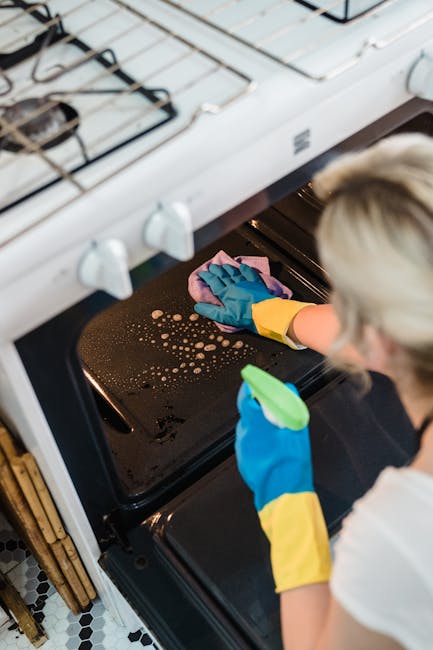
Avoid hidden oven cleaning costs in Hampstead

If you have ever booked an oven clean and then spotted little add-ons creeping onto the final bill, you are not alone. Hidden charges are frustrating anywhere, but in Hampstead they can feel especially annoying because you expect a local service to be straightforward, tidy and fair. The good news is that you can avoid hidden oven cleaning costs in Hampstead with a bit of know-how, the right questions, and a clear understanding of what should be included before anyone turns up with a tray of chemicals and a cheerful "that'll be extra".
This guide breaks down how oven cleaning pricing usually works, which extras are worth questioning, what a transparent quote should show, and how to compare options without getting caught out. We will keep it practical. No fluff, no hand-waving. Just the stuff that actually helps you keep control of the final price.
Why hidden oven cleaning costs matter
Let's face it: most people do not book oven cleaning because they enjoy shopping around for price structures. You book it because the oven is greasy, smoky, slow to clean by hand, or just not something you want to tackle on a Saturday morning. Hidden costs matter because the service should solve a problem, not create a new one.
In practical terms, unexpected fees often show up in a few places: heavy buildup surcharges, extra charges for trays or racks, separate fees for extractor fans, call-out fees, or price jumps based on oven type. Sometimes the issue is not even the price itself; it is that the original quote was vague. That is how people end up comparing apples with oranges and feeling slightly stitched up afterwards.
For Hampstead homes, there is another angle too. Properties vary a lot. You get compact flats, family kitchens, period homes, rented properties, and freshly renovated spaces. Each one may need a different level of cleaning, but the quote should still make the differences clear. If a provider cannot explain why something costs more, that is usually a yellow flag.
Expert summary: A fair oven-cleaning price is not just about being low. It is about knowing exactly what is included, what may cost extra, and why.
If you are comparing providers, it can also help to understand the company's wider standards. Pages like about us, insurance and safety, and terms and conditions tell you a lot about how seriously a business treats clarity and customer care. Not glamorous, perhaps, but very useful.
How oven cleaning pricing typically works
Most oven cleaning jobs are priced using a mix of factors rather than one single flat figure. In normal day-to-day practice, the main drivers are oven type, condition, accessibility, and the amount of labour involved. A single oven in reasonable condition is simpler than a range cooker that has not been touched properly since last winter. You know the sort.
A transparent quote usually starts with a base price for the core oven clean. Then, if the job needs extra time or specialist attention, the provider should explain what changes the price. That explanation should be plain English, not a cloud of jargon. If they say "subject to operational variables", you are entitled to ask what that actually means.
Some businesses bundle in more as standard, while others itemise everything. Neither approach is automatically bad. The real question is whether the quote is consistent and specific enough for you to compare with another provider. If one quote includes racks, trays, doors and glass as standard, and another charges separately for every part, the second one may look cheaper until the add-ons appear.
For many readers, this is where a service like pricing and quotes becomes especially helpful, because it gives you a clearer idea of how the numbers are put together before anyone starts scrubbing away.
Here is the basic flow of a clean pricing process:
- You describe the oven type and condition.
- The provider estimates time, labour and equipment required.
- The quote states what is included and what is excluded.
- Any possible extras are named in advance.
- The final bill matches the agreed scope unless you request more work.
That last point matters more than people think. If you ask for extra work on the day, fair enough, that can cost more. But if the original quote was vague and the upsell starts after the cleaner has already arrived, the whole thing feels a bit off.
Key benefits and practical advantages
The biggest benefit of avoiding hidden oven cleaning costs is simple: control. You can budget properly, choose the right provider, and avoid the awkward end-of-job conversation where nobody is quite sure what was agreed. There is also a trust benefit. Clear pricing tends to go hand in hand with better communication, and that usually means fewer surprises in general.
There are some practical advantages too:
- Better comparison: you can compare quotes on a like-for-like basis instead of guessing.
- Less stress: you know what will happen before the appointment starts.
- Fewer disputes: clear scope means fewer arguments over add-ons.
- More suitable service: you can match the clean to the actual condition of the oven.
- Improved value: a slightly higher transparent quote can be better than a low quote with nasty surprises.
Another quiet benefit is time. When the provider has been clear from the start, the booking itself is smoother. You are less likely to spend the morning hunting for receipts or trying to remember whether the grill pan was included. And frankly, who needs that?
For people already looking at wider household cleaning, oven cleaning often sits alongside other jobs such as deep cleaning, one-off cleaning, or regular domestic cleaning. Clear pricing becomes even more important when you are comparing a few different services at once.
Who this is for and when it makes sense
This topic matters to more people than you might expect. If you are a homeowner, tenant, landlord, letting agent, or busy household manager, hidden costs can throw off the whole plan. And if the oven has been left for a while, you may need more than a basic wipe-over, which is exactly when vague pricing starts to cause trouble.
It makes sense to pay close attention if:
- you are moving out and need the oven ready for inspection;
- you are preparing a property for new occupants;
- you have a build-up of grease, carbon or burnt-on residue;
- you have a larger cooker, range cooker or unusual appliance layout;
- you want a one-off clean rather than a regular domestic visit;
- you are trying to keep to a set budget.
In Hampstead, this also applies to anyone managing older kitchen fittings. Period properties can have tight access, awkward appliance positions, or delicate finishes that require more careful handling. That does not automatically mean the job should be expensive, but it does mean the quote should explain why the cleaner expects more work.
If you are booking as part of a broader move, a package approach can be handy. Some people combine oven cleaning with end of tenancy cleaning or broader house cleaning. That can simplify the process, though you should still ask how each part is priced.
Step-by-step guidance
If you want to avoid hidden charges, use a simple process. It does not need to be complicated.
1. Describe the oven properly
Give the provider a clear picture. Mention whether it is a single oven, double oven, range cooker, combination unit, or something a bit more specialised. Say if the grill, glass doors, trays, fan cover, or hob area need attention too. The more honest you are, the less room there is for guesswork.
2. Ask what the base price includes
Do not assume "oven clean" means the same thing to everyone. Ask whether the price includes racks, shelves, oven door glass, internal panels, and extractor filters. A short phone call can save a lot of back-and-forth later. Truth be told, this is where many hidden costs begin.
3. Ask about common extras
Ask directly whether there are extra fees for heavy carbon build-up, missing oven parts, parking, difficult access, or appliances that need dismantling and reassembly. You are not being difficult. You are being sensible.
4. Confirm the final price trigger
There should be a clear line between a quoted price and a higher price. For example, the provider may say the cost only changes if the oven condition is materially worse than described. That is reasonable. What you want to avoid is a vague "we'll see on the day".
5. Check what happens if you cancel or reschedule
Life happens. Plans change. A provider should explain any cancellation policy, rescheduling rules, or late arrival process before you book. This is where the small print matters, and it is worth reading the terms and conditions rather than assuming everything is standard.
6. Keep the quote in writing
Even a brief email or message is better than memory. If something was discussed on the phone, ask for a written summary. This is not mistrust; it is just tidy practice.
7. Inspect the job before payment
Once the clean is complete, have a quick look at the oven interior, the glass, seals and the trays if included. If you spot something missing, raise it straight away while the cleaner is still there. Much easier than phoning later while standing in a kitchen that still smells faintly of degreaser.
Expert tips for better value
A few small habits can make a big difference to what you pay. None of these are dramatic, but they are the sort of details that save money over time.
- Be specific about the appliance: "Standard oven" is too vague if you actually have a double unit or range cooker.
- Send a photo if allowed: it helps the cleaner judge the condition before quoting.
- Ask whether parking is included: in parts of London, parking can become a separate issue very quickly.
- Bundle intelligently: if the company is already visiting, it may be cost-effective to add a related task such as carpet cleaning or window cleaning, but only if you actually need it.
- Look for clarity, not just cheapness: a very low quote with a lot of asterisks usually means something.
One thing I often tell people is this: if a quote feels a bit too easy, read it again. Not because everyone is trying to trick you, but because vague pricing often hides in cheerful simplicity. The cleaner may be perfectly honest. The quote may still be incomplete.
If you want a better picture of the company behind the price, check practical pages such as health and safety policy, insurance and safety, and recycling and sustainability. They do not tell you the whole story, of course, but they do show the business is thinking beyond the job itself.
Common mistakes to avoid
Most hidden-cost problems come from a handful of avoidable mistakes. The good news? They are easy enough to sidestep once you know them.
- Not asking what is included: this is the big one.
- Comparing quotes without checking scope: cheaper may simply mean less included.
- Assuming all ovens are priced the same: they are not.
- Ignoring condition-based charges: heavy grease can affect price, but it should be explained clearly.
- Forgetting access issues: tight parking, awkward stairs or hard-to-reach kitchens can matter.
- Not confirming extras in writing: verbal promises have a habit of evaporating.
There is also a softer mistake: being embarrassed about the state of the oven and downplaying the mess. People do it all the time. Then the cleaner arrives, sees baked-on residue from three roast dinners ago, and the quote changes. Better to be upfront. Everyone's life is messy now and then.
One more thing. Do not assume a provider is avoiding transparency just because the quote is brief. Sometimes a short quote is simply a summary of a fuller conversation. The key is whether they can explain it clearly when you ask. If they cannot, that is the issue.
Tools, resources and recommendations
You do not need any fancy tools to avoid hidden oven cleaning costs, but a few simple ones make the process easier:
- a phone camera for quick photos of the oven interior;
- a notes app to record what was quoted;
- an email thread or message history for the final agreement;
- a short checklist of what you want cleaned;
- a rough idea of your budget before you start enquiring.
From a service perspective, it helps to look at a company's broader offering too. If you are arranging multiple jobs, a provider that also handles cleaning company support, cleaners, or home cleaners may be able to make scheduling simpler. That said, only use bundled services if the scope genuinely suits your needs. Bundles are useful. Bundles can also distract.
If you are still comparing providers, it is sensible to review customer-facing basics such as payment and security and the company's contact details before you commit. A legitimate business should be easy to speak to, easy to understand, and not weirdly evasive when you ask ordinary questions.
Law, compliance, standards and best practice
For most household oven cleaning jobs, the practical focus is less on law and more on fair trading, clarity, and safe working practice. Still, compliance matters. A reputable provider should handle chemicals safely, carry suitable insurance where applicable, and communicate any conditions of service clearly. That is just good business practice, and in the UK it is the sort of thing customers increasingly expect.
Where cleaning products are used, the provider should work carefully and keep the environment ventilated. Where dismantling is involved, they should know what they are doing and avoid damaging seals, glass or surrounding fittings. If a business offers a professional oven cleaner service, you would normally expect them to treat the appliance with care and leave it operational afterwards.
Best practice also means transparent communication. The cleaner should tell you if they cannot fully complete the work because of condition, access, or an issue with the appliance itself. They should not improvise a surprise fee at the door if the issue was obvious from the start.
For customers, best practice is equally simple: give accurate information, read the terms, keep written confirmation, and ask questions before the appointment. No drama required. Just a clear conversation.
Options, methods and comparison table
Not every oven clean is sold in the same way, and that is why comparison matters. Here is a simple way to think about it.
| Pricing approach | What it usually means | Best for | Watch out for |
|---|---|---|---|
| Flat-rate quote | One set price for a clearly defined oven clean | Standard ovens and straightforward jobs | Make sure the included items are listed |
| Base price + extras | A starting price with add-ons for specific tasks | Jobs with optional extras or unusual appliances | Ask for the extras list upfront |
| Condition-based quote | Price depends on grease level, access or setup | Older ovens or heavily used kitchens | Condition should be judged fairly, not vaguely |
| Bundle pricing | Oven cleaning included with other cleaning tasks | Move-outs, deep cleans, larger household jobs | Check whether the bundle truly saves money |
If you are deciding between options, the most sensible path is often the simplest one: choose the quote that is clearest, not just the cheapest on the page. A cheap quote with blurry scope is rarely cheap in the end. A bit annoying, yes. Common, also yes.
For some households, an oven clean is part of a broader reset alongside deep cleaning or one-off cleaning. For others, it is a standalone job. Either way, the pricing model should fit the job rather than forcing the job to fit the pricing model.
Case study or real-world example
Here is a simple real-world scenario, the sort of thing that comes up all the time.
A Hampstead tenant is moving out of a two-bedroom flat with a standard built-in oven. The first quote looks attractive because it is low, but the small print says trays, racks, door glass, extractor filters and heavy grease are all extra. The second quote is a little higher, but it includes the full oven interior, racks, glass and a clear note that there are no extra charges unless the oven is not as described.
On the day, the first provider arrives and adds a charge because the oven is "particularly dirty". The second provider, by contrast, does the work for the agreed price because the condition was described properly and the quote allowed for the actual level of grime. The total difference ends up being less dramatic than the headline prices suggested.
That is the point. The lower quote was not really cheaper. It just hid part of the price in the margins. The tenant saved time by choosing the clearer option and avoided a slightly awkward last-minute negotiation in the kitchen, which nobody enjoys. Especially not before a move.
Practical checklist
Use this checklist before you book:
- Have you identified the oven type correctly?
- Have you described the condition honestly, including grease build-up?
- Do you know exactly what the quote includes?
- Have you asked about extras for racks, trays, glass or extractor parts?
- Have you checked whether parking or access affects the price?
- Is the final price confirmed in writing?
- Have you read the relevant terms and conditions?
- Do you know how payment will be taken?
- Have you checked the provider's safety and insurance information?
- Are you comparing the same scope across all quotes?
If you can tick most of those off, you are in a strong position. And if one provider cannot answer the questions clearly, that tells you quite a bit on its own.
Get a free quote today and see how much you can save.
Conclusion
Avoiding hidden oven cleaning costs in Hampstead is really about one thing: clarity. When you know what is included, what may be extra, and how the final price is set, the whole booking becomes calmer and easier to trust. That is true whether you are cleaning up after years of family cooking, getting ready for a move, or just tired of staring at a greasy oven door every evening.
Take your time, ask the obvious questions, and insist on a quote that makes sense without detective work. A good provider will not mind. In fact, the better ones tend to appreciate a customer who wants things clear from the start.
And once the oven is clean, the kitchen feels different. Fresher. Lighter. A little more looked after. Funny how one small job can do that.
Frequently Asked Questions
What counts as a hidden oven cleaning cost?
It is any charge that appears after the initial quote but was not clearly explained beforehand. Common examples include extra fees for trays, racks, heavy grease, extractor parts, or difficult access.
How do I know if an oven cleaning quote is fair?
A fair quote is clear about what is included, what is excluded, and what might change the price. If two quotes are being compared, make sure they cover the same scope before judging the numbers.
Should racks and trays be included in the price?
Sometimes yes, sometimes no. The key is not the rule itself but the transparency. Ask whether racks, trays and removable parts are included before confirming the booking.
Can heavy grease make the price higher?
Yes, it can. A badly neglected oven may take more time and specialist effort. That said, the provider should explain any condition-based price change before they start the job.
Is it cheaper to bundle oven cleaning with other services?
Sometimes it is, especially if you already need more than one task done. Bundles can work well with deep cleaning or end of tenancy cleaning, but only if the bundle really includes what you need.
What should I ask before booking an oven cleaner?
Ask what the quote includes, whether there are extra charges, how parking or access is handled, and whether the final price is fixed unless the oven condition is materially different from what you described.
Are low prices always a bad sign?
Not always. A low price can be genuine. The issue is whether it is complete. If it looks low because lots of essential items are excluded, it may not be good value at all.
Should I send photos before the appointment?
If the provider allows it, yes, that can help. Photos give a better view of the oven condition and reduce the chance of misunderstandings on the day.
What if the cleaner says the job is more expensive on arrival?
Ask them to explain exactly why. If the reason matches something you were told in advance, that may be fair. If the reason was not discussed and seems vague, you should challenge it politely.
Do I need to read the terms and conditions?
Yes, at least the parts about pricing, cancellation, access, and what happens if the job changes. It only takes a few minutes and can save a lot of hassle later.
How can I compare oven cleaning providers in Hampstead properly?
Compare the scope, not just the headline price. Look at what is included, how extras are handled, whether the company explains its pricing clearly, and whether its policies feel straightforward and professional.
What if I only need a one-off clean?
Then you should say so. A one-off cleaning approach can be ideal for seasonal resets, move-outs, or a kitchen that just needs a proper refresh without committing to anything ongoing.